
Today we’d like to introduce you to German Sierra
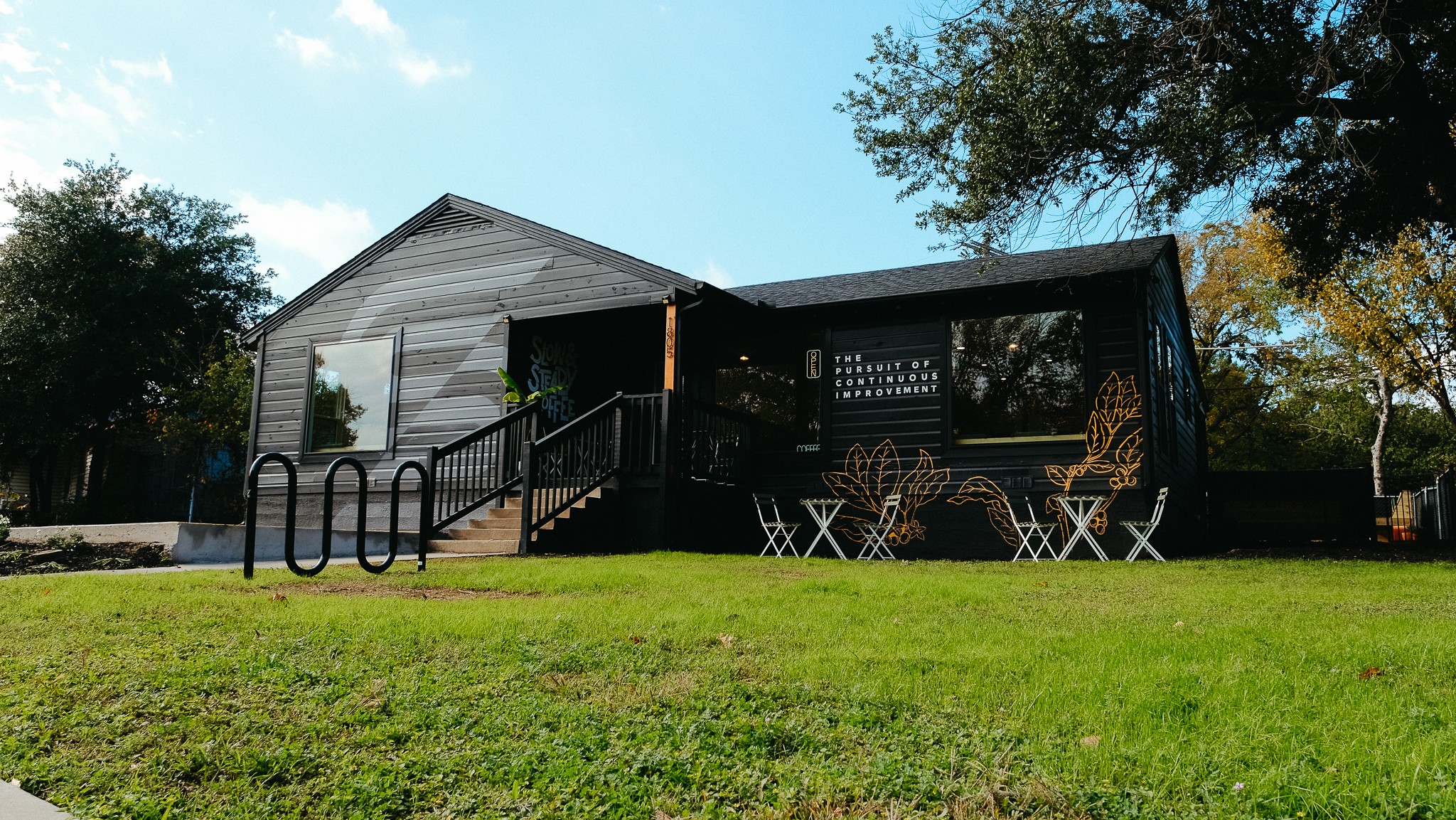
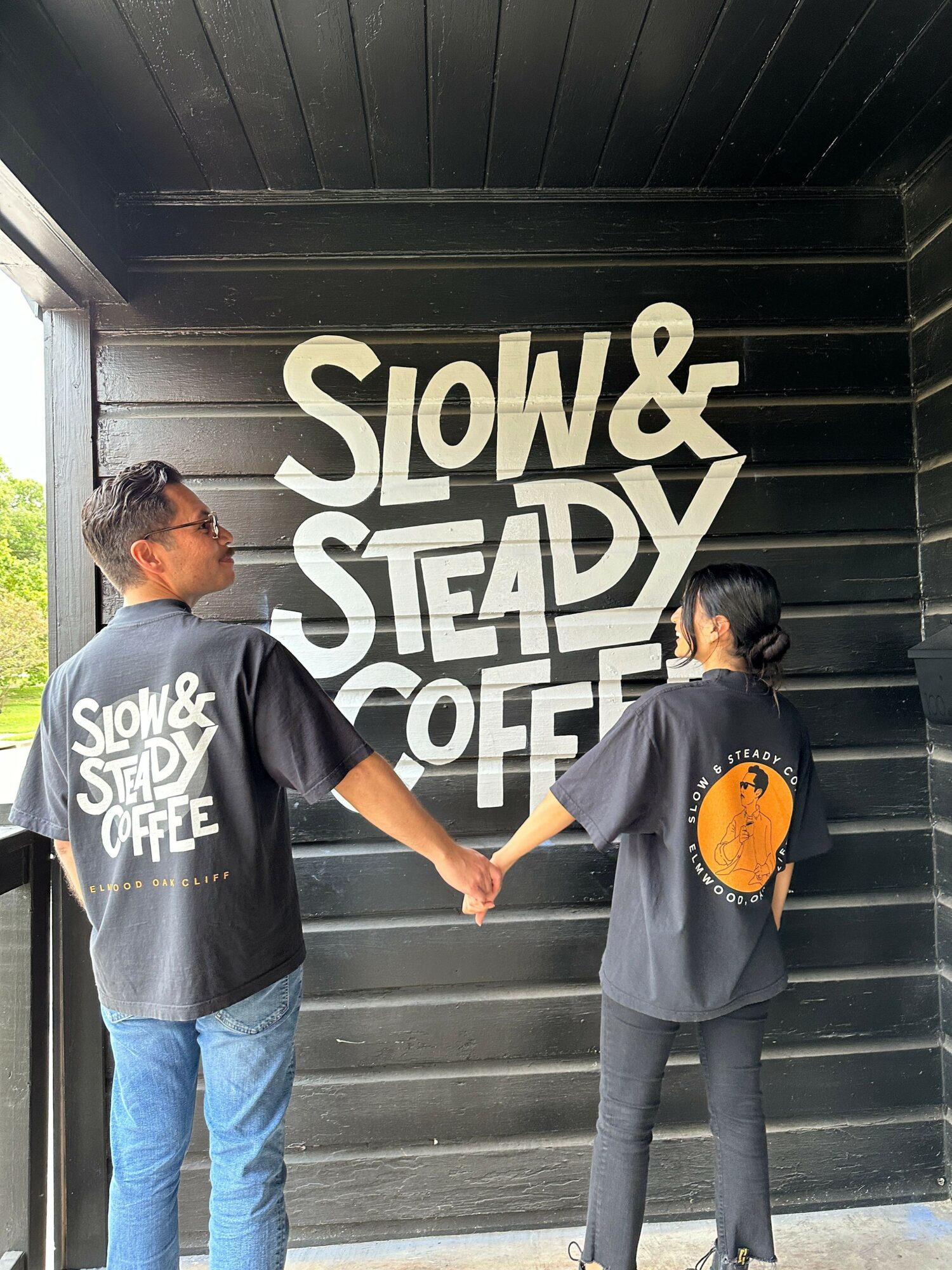
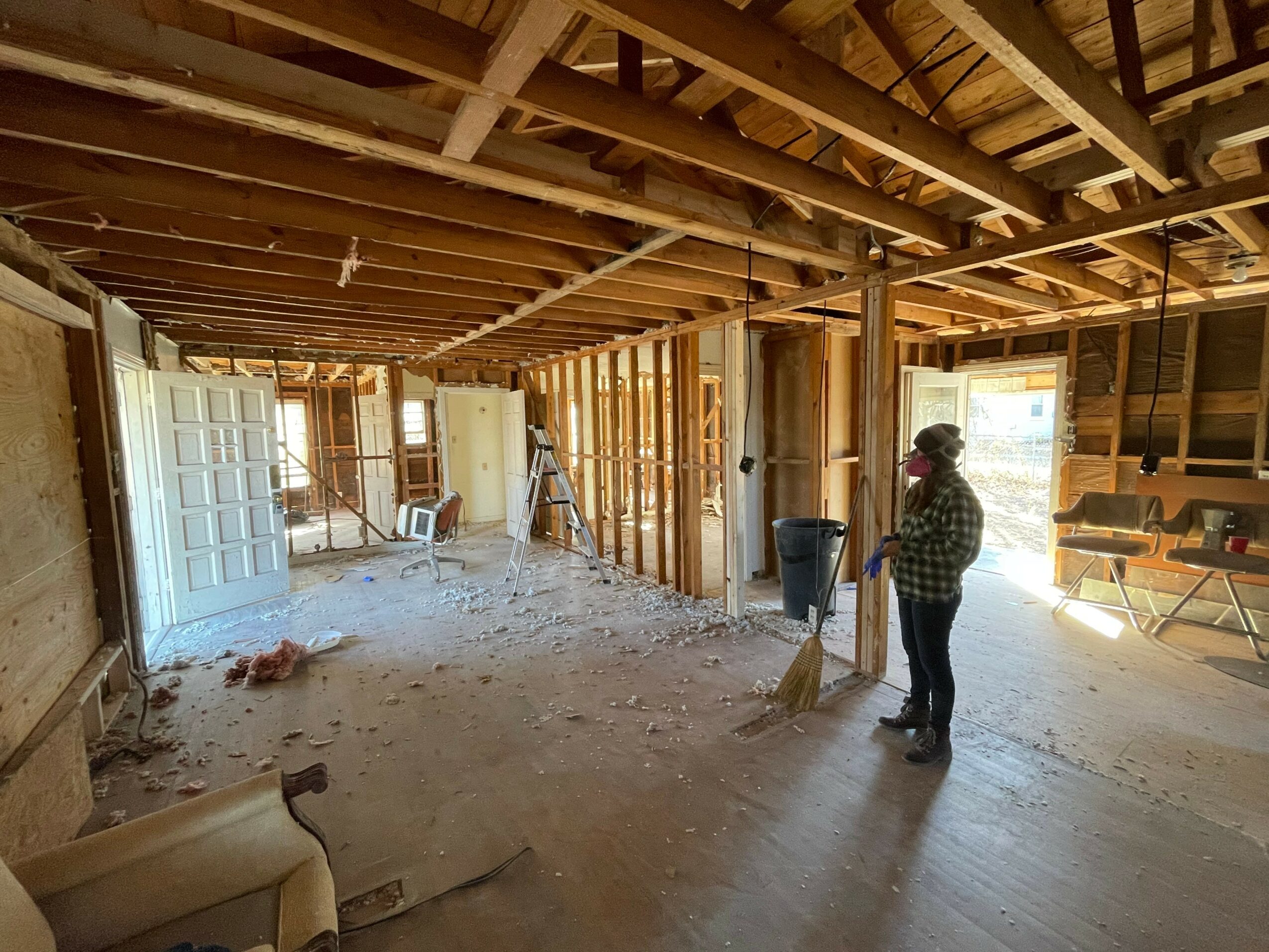
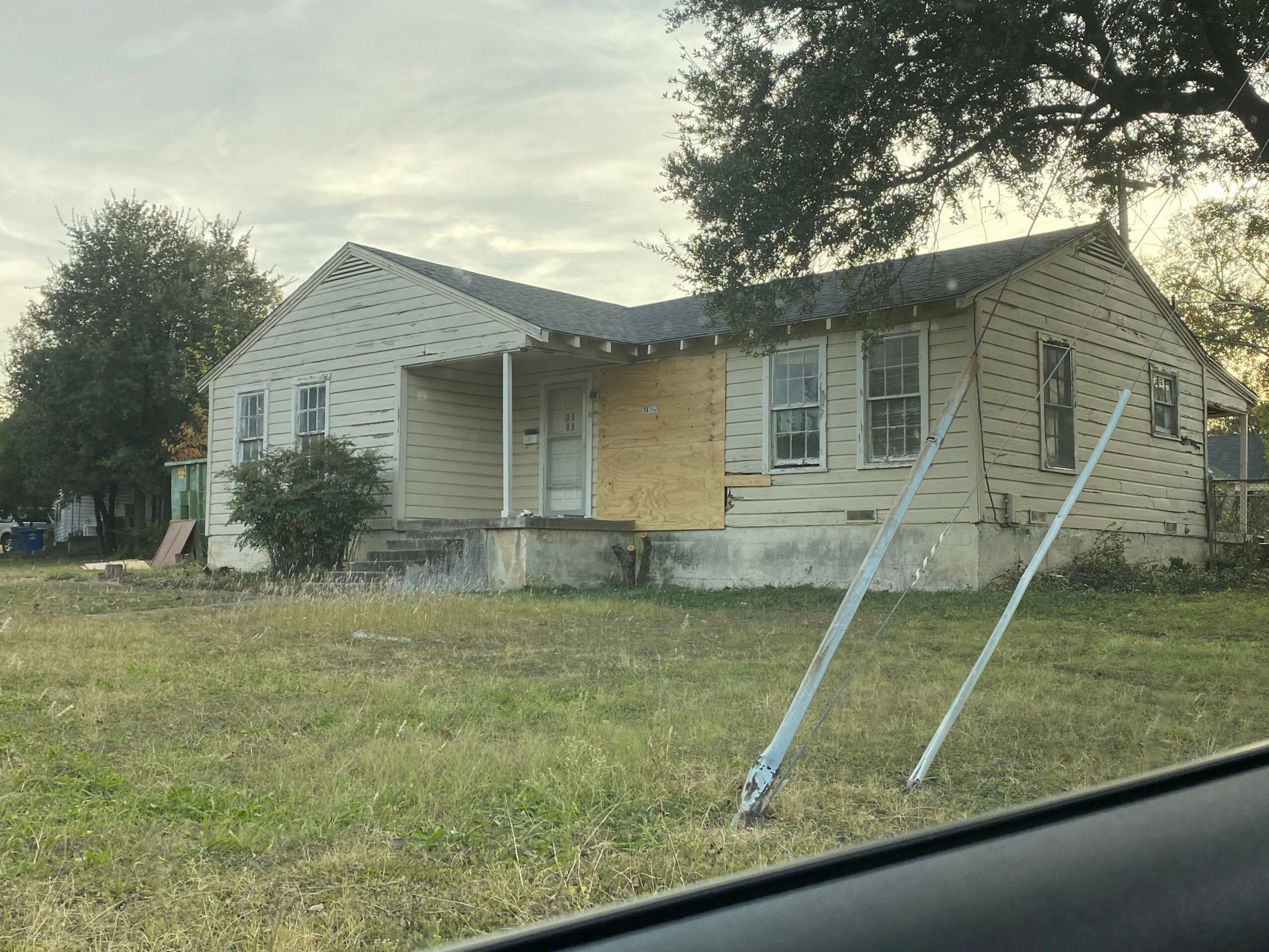
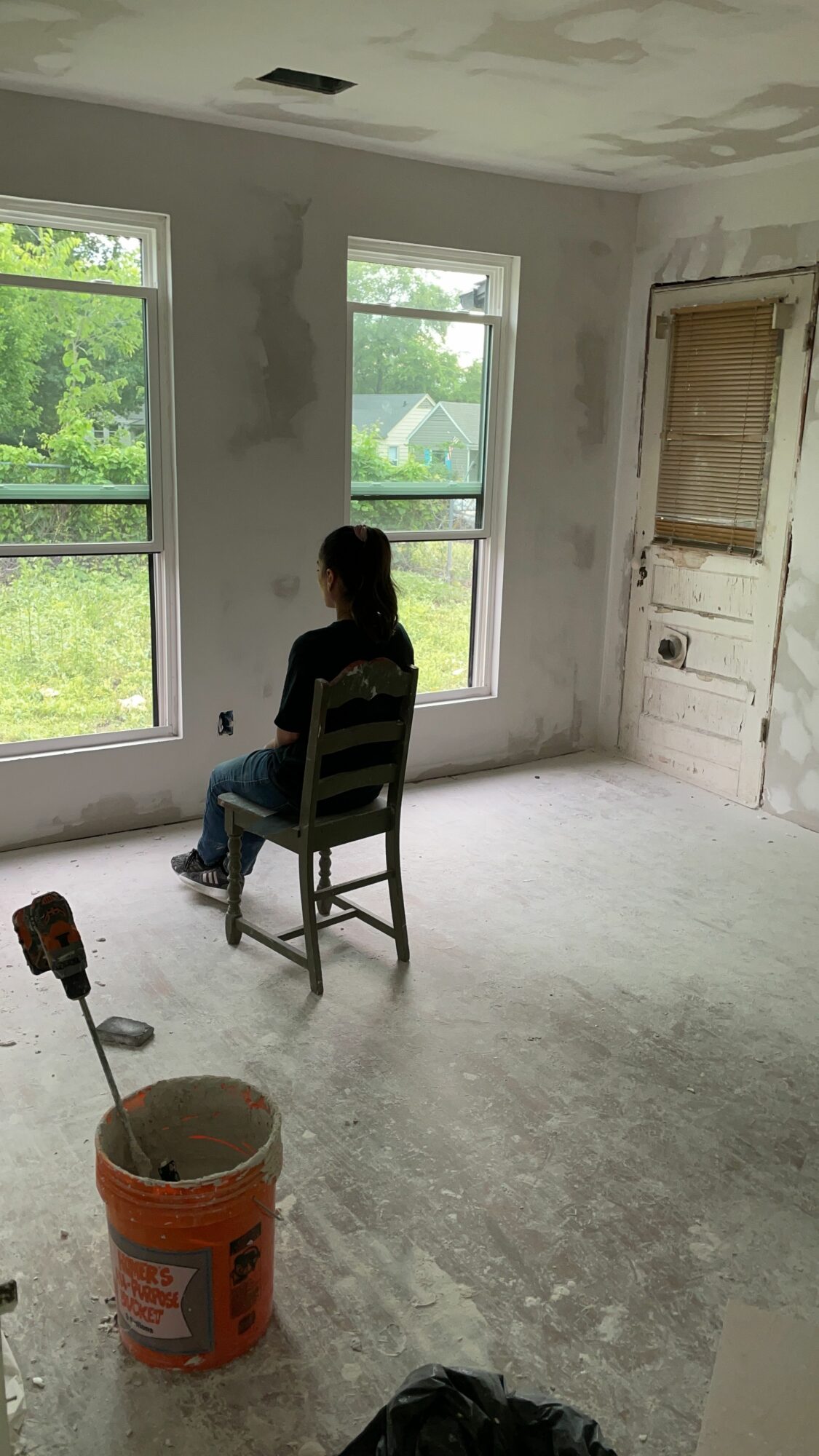
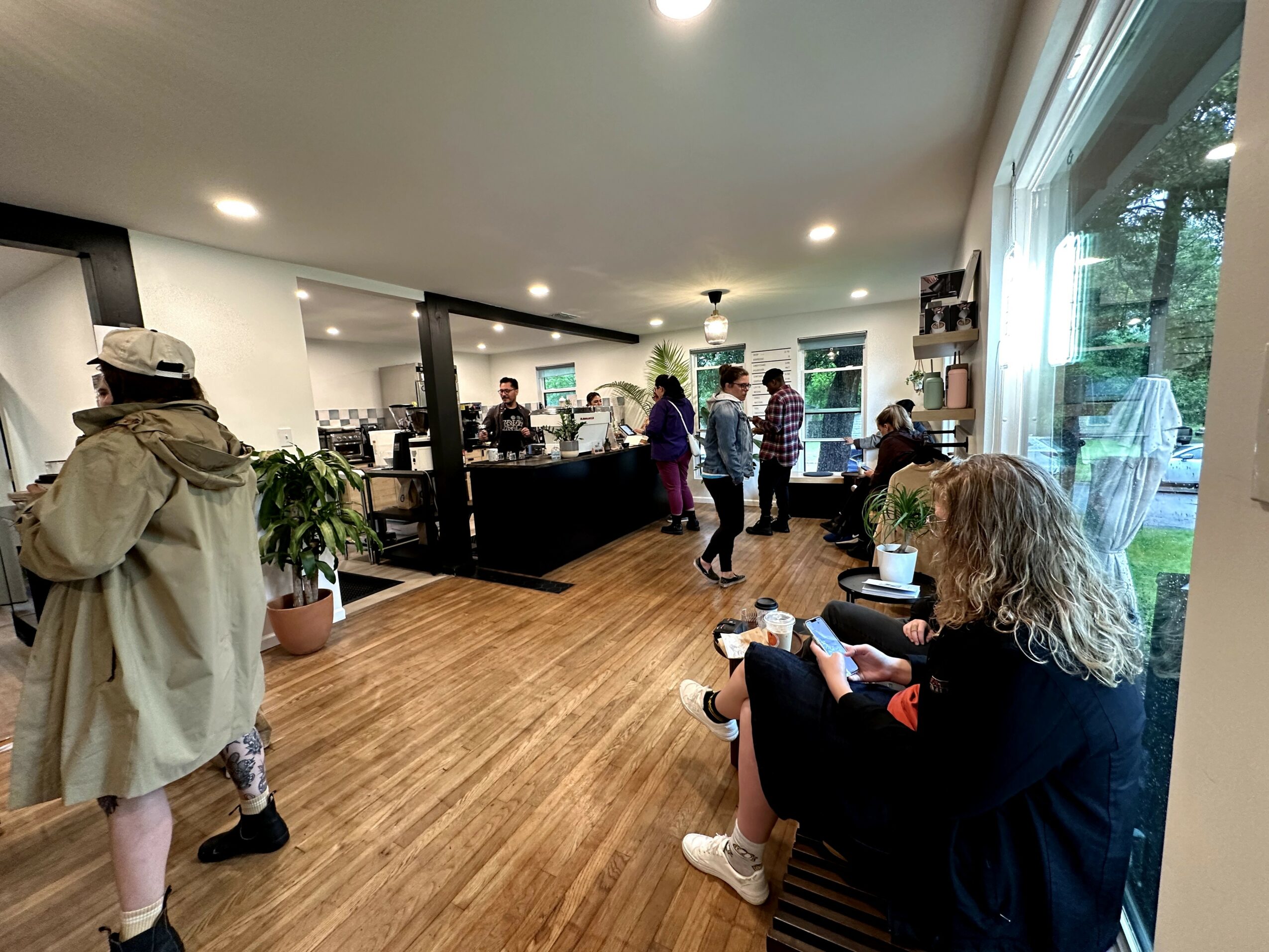
Alright, so thank you so much for sharing your story and insight with our readers. To kick things off, can you tell us a bit about how you got started?My story with coffee started as a passion hobby. My business travels from my corporate life sent me to the Pacific Northwest often, specifically Portland, OR. That is where my true exposure to specialty coffee began. It started with trying to hit as many local coffee shops/roasters and bring as many different coffees to brew back home, to eventually wanting me to dig deeper and see how I can replicate those same coffee recipes or profiles on my own. That led me to eventually roasting my own coffee. I started learning how to roast by reading books, consulting with professionals in the industry, and trial and error of course. Eventually, I was able to purchase a larger coffee roaster that opened the doors to considering this as a side-business more seriously. Within about a year, I was able to get a couple wholesale accounts from local coffee shops in Dallas. I still kept my corporate job while doing this on the side, and in October 2020 a casual drive through a small hidden commercial district in the middle of a residential neighborhood showed a “for sale” sign at one of the properties. It was a corner lot originally built as a residential home, though zoned commercial by the City. The property was dilapidated as the home remained vacant and unattended for several years. We found out about this opportunity the very last day they were taking offers. Being very familiar with this neighborhood (we live only 5 mins away), and the potential for the future state of it, we knew it was a diamond in the rough. We made an offer and to our surprise, we got it. We immediately started working on the physical renovation of the property, and it was a full gut job top to bottom. New roof, plumbing, dry-wall, windows, siding, electrical, paint, etc. That project alone took us a full year to complete. The second part of this story starts with the obstacle we faced with the city of Dallas to allow us to use it for what we intended to. The main issue revolved around the parking requirements with code and the given land use. There is an entire article that was published by D Magazine that provides more insight into that debacle, but fast forward another year in dealing with red-tape with the City of Dallas, we finally were able to figure out a way to get our permits. The time it took us, and the resiliency we inevitably had to show is what inspired the shop name of Slow and Steady. A nod to the Aesop fable of the tortoise and the hare which teaches a lesson on patience, courage, resiliency and perseverance. There were plenty days we felt like giving up and throwing our hands up in the air, but I’ve always been a fighter and a hustler, so I would muster what little courage I had left to keep going. It finally paid off when we were able to publicly announce a soft opening for our shop in Sept of 2023, and an official grand opening a few months later in November. We’re in our first year and couldn’t be happier that we were able to make it happen for the neighborhood that we’re in. To get to know our neighbors and see their support means everything, and we’ve been able to establish more than just a customer transaction or exchange, we’ve come to see and value them as friends. We are within days of celebrating our first year in business and plan to celebrate it with the community that have supported us along the way since day one.
We all face challenges, but looking back would you describe it as a relatively smooth road?The physical renovation was definitely one of them, but it was a more tangible one. I’d try and accomplish as many renovation projects as I could on my own in order to save money, but also finding reliable contractors to do the more professional jobs was no easy task either. Thankfully, we have several friends and a great network that made that much easier for us. The biggest struggle was dealing with the city of Dallas and their reluctance to work with us to figure out a way to make this happen. We are also a BIPOC Latino small business and it was very discouraging to see how much more unnecessary money the City made us spend to drag on the process as long as it took.
As you know, we’re big fans of you and your work. For our readers who might not be as familiar what can you tell them about what you do?I’ve always worked in the corporate world soon after high school and post college classes (though I never finished college). I’d like to say I’m known for being a perfectionist (both a blessing and a curse). I have very high expectations for myself in everything that I do, whether that’s presenting or speaking in front of people, or cleaning the kitchen. I don’t do anything half way, and I struggle to see eye to eye with people that like to take short-cuts. Very detail-oriented and a bit OCD about a lot of things. I’m quite competitive by nature. I also am a strong believer of valuing relationships, and paying it forward when it’s within my means to do so. This work ethic has served me well throughout my entire life, both personally and professionally speaking.
If we knew you growing up, how would we have described you?Very similar to what I previously described, I tend to take myself too serious for everything at times. And some days that can work against me, but my parents say that people would always say I acted much older than I was as a child. As a child, I’d speak in a very professional and courteous way with adults. And throughout my entire school and professional life, I maintained that. I believe it’s what set me apart from the rest. I always connected with the right people that saw my motivation and eagerness to do the best work I’m capable of, and its served me well. There’s an anecdote my mother speaks about me that almost foreshadowed the type of personality I would display throughout my life. She says we were vacationing with family in the summer (I was still a child), and while in a swimming pool, I would inch towards the deep-end of the pool without even knowing how to swim, to the point I would actually struggle to keep afloat. My mother says I was so persistent even after her attempts to bring me back to the shallow side, yet my father would tell her to let me be. His way to teach me a lesson about knowing and respecting my limits I guess. For better or worse, I don’t think I’ve changed much in terms of my “sink or swim” approach on life.
Contact Info:
- Website: https://www.slowandsteady.coffee
- Instagram: https://www.instagram.com/slow.steady.coffee
- Facebook: https://www.facebook.com/gkofe
- Yelp: https://yelp.to/cFbFwjlEsM